Why does my drain smell bad in summer
Charleston's summer heat and humidity turn minor drain buildup into serious odors. Here's why it happens and how to fix it before it gets worse.
Your drain smells bad in summer because heat accelerates bacteria growth in trapped organic matter, and Charleston's humidity keeps drain traps from drying out properly. The smell is usually hydrogen sulfide gas produced by decomposing food, soap scum, and hair - not a sign your house is falling apart. But it does mean something in your drain line needs attention before the problem spreads.
We handle drain odor calls across the Lowcountry every summer, and the causes are almost always one of six things. Below, we break down why Charleston's climate makes it worse, how to fix it yourself, and when it's time to call plumbing charleston SC.
Why Summer Makes Drain Odors Worse in Charleston
Charleston summers push temperatures into the mid-90s with humidity that rarely drops below 70 percent. That combination creates a perfect incubator for the bacteria and fungi that live in drain lines. A drain that smells faintly in January will smell aggressively by July.
Three specific factors drive summer drain odor in Charleston:
- Heat speeds decomposition. Organic matter that would take weeks to break down in cool weather can rot in days when your pipes are warm.
- Humidity slows evaporation. Your P-trap - the U-shaped pipe under each drain - is supposed to hold a water seal that blocks sewer gas. In Charleston's humid air, that seal evaporates more slowly, which sounds good until you realize the standing water itself becomes a breeding ground.
- AC condensation and storm runoff. Summer storms and constant AC drainage push extra moisture into your plumbing system, and that moisture carries odor-causing bacteria with it.
If you live in an older home - say, a 1920s bungalow in North Central or a 1950s ranch in West Ashley - your cast iron or galvanized pipes have decades of buildup inside them. Summer heat makes that buildup smell worse than it would in a newer house with PVC lines.
The Real Causes of Smelly Drains in Charleston Homes
Drain odor in Charleston homes almost always traces back to one of six sources. Here's what we find when we open up a smelly drain.
1. Organic Buildup in the Drain Line
Food particles, grease, soap scum, and hair coat the inside of your drain pipe. That coating is a biofilm - a living layer of bacteria. When it dries out or gets disturbed, it releases sulfur compounds that smell like rotten eggs. Kitchen drains are the worst offenders because of food waste and cooking oil.
2. A Dry P-Trap
Every fixture with a drain has a P-trap that holds water to block sewer gas. If that water evaporates - which happens in guest bathrooms, vacation rentals, and floor drains that don't get used - sewer gas flows straight into your home. In Charleston, this is common in historic district homes with original plumbing and in beach rentals on Folly Beach and Isle of Palms that sit empty between guests.
3. Sewer Gas Backing Up
If you smell sewer gas in your house, the problem may be deeper than a single drain. A blocked or damaged sewer line can force gas back up through the lowest drain in your home. This is a health concern, not just a nuisance. If the smell is strongest in your basement or first-floor bathroom, call a plumber before you try anything else.
4. A Failing Toilet Seal
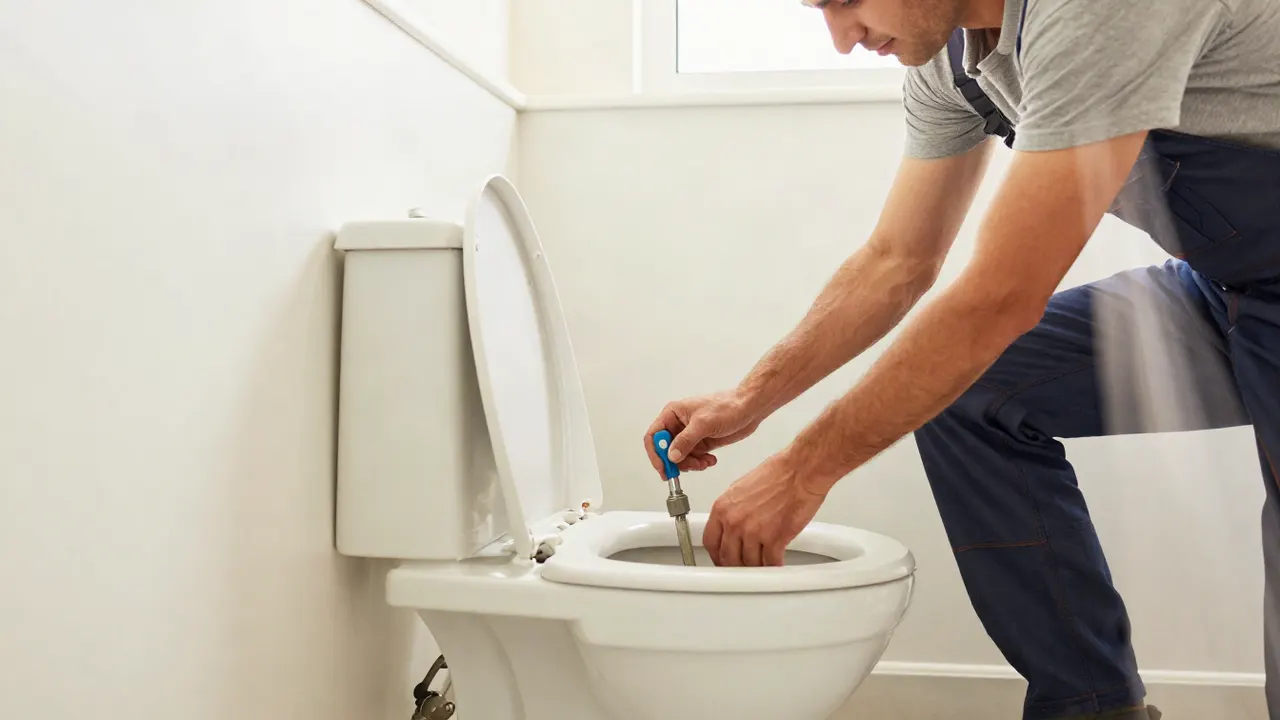
The wax ring under your toilet creates an airtight seal between the bowl and the drain flange. When that ring fails - usually after 10 to 15 years or after a toilet rocks loose - sewer gas leaks into the bathroom. You may not see water, but you'll smell it.
5. Vent Pipe Blockage
Your plumbing system has vent pipes that run through the roof. They equalize pressure and carry gas away. When a vent gets blocked by a bird nest, leaves, or debris, gas has nowhere to go but back into your home. This is more common after summer storms that drop limbs and debris on roofs.
6. Garbage Disposal Buildup
Your garbage disposal traps food particles in the rubber splash guard and the grinding chamber. In summer, that food rots faster. A smelly kitchen drain in Charleston is often a disposal issue, not a pipe issue.
How to Get Rid of Drain Smell in Charleston
You can fix most mild drain odors yourself in under an hour. Here's the process we recommend to homeowners before they call us.
- Run hot water through every drain. Fill each sink and tub with hot water, then pull the stopper. This flushes loose debris and refills P-traps that may have dried out.
- Clean the drain stopper and pop-up assembly. Hair and soap scum collect on the stopper. Pull it out, scrub it, and reinstall.
- Use a baking soda and vinegar mix. Pour half a cup of baking soda down the drain, follow with half a cup of white vinegar, let it sit for 15 minutes, then flush with hot water. This won't fix a deep clog, but it kills surface bacteria.
- Clean your garbage disposal. With the disposal off, scrub the splash guard with a brush and dish soap. Then run ice cubes and rock salt through it to scour the grinding chamber.
- Check for leaks under the sink. A slow leak keeps the cabinet damp and feeds mold. If you see water, that's a plumbing repair charleston SC issue, not a cleaning issue.
- Run water in unused fixtures. If you have a guest bathroom or floor drain you don't use, run water down it once a week. This keeps the P-trap sealed.
If the smell comes back within a few days, the problem is deeper in the line. That's when you need a professional drain cleaning service to clear the buildup.
Common Mistakes That Make Drain Odor Worse
We see homeowners make the same mistakes every summer. Some of them make the smell worse. Others damage the pipes.
- Pouring bleach down the drain. Bleach kills bacteria on contact, but it doesn't remove the organic matter feeding the smell. The odor returns within days, and bleach can damage rubber gaskets and septic systems.
- Using chemical drain cleaners. Products with sodium hydroxide or sulfuric acid generate heat and can crack older pipes. In Charleston's historic homes with cast iron lines, this is a real risk.
- Ignoring a sewer smell. If the smell is sewer gas, not just drain funk, you're breathing hydrogen sulfide and potentially methane. That's a health issue, not a wait-and-see issue.
- Assuming it's just the kitchen sink. Odor can travel through the plumbing system. The drain that smells may not be the drain with the problem.
- Covering the smell with air fresheners. This masks the symptom without addressing the cause. If you need a plug-in air freshener next to your sink, something is wrong in the pipe.
If you've tried the DIY fixes and the smell persists, it's time to bring in a pro. We handle drain cleaning charleston SC calls daily, and we can usually tell you the cause within 15 minutes of arriving.
When to Call a Professional
Call a plumber when the smell returns within a week of cleaning, when you smell sewer gas rather than food rot, or when multiple drains in your home smell at the same time. Those are signs the problem is in the main line, not a single fixture.
We also recommend calling if you have slow drains alongside the smell. A drain that gurgles, backs up, or drains slowly is partially clogged. The smell is the early warning. The backup is next.
At Charleston Harborline Plumbing, we diagnose drain odor by camera-inspecting the line. We find the buildup, the break, or the blocked vent, and we fix it. No guesswork. If you live in a neighborhood like Park Circle or James Island where older pipes are common, we can also check for root intrusion and pipe deterioration while we're there.
If the problem turns out to be a broken sewer line rather than simple buildup, we'll walk you through sewer line repair charleston SC options before we start any work. Most drain odor issues don't require that level of repair, but we'd rather tell you upfront than surprise you later.
Frequently Asked Questions
Why does my drain smell in summer in Charleston?
Heat accelerates bacteria growth in drain buildup, and Charleston's humidity keeps organic matter moist and rotting. The combination produces hydrogen sulfide gas - the rotten egg smell - faster than in cooler months. Dry P-traps and blocked vent pipes make it worse.
How to fix smelly drains in Charleston SC?
Flush all drains with hot water, clean stoppers and garbage disposals, and use a baking soda-vinegar mix for mild odors. If the smell returns within a week, call a plumber for a camera inspection. Most fixes take under an hour.
What causes drain odor in Charleston homes?
The six most common causes are organic buildup in the pipe, a dry P-trap, sewer gas backup, a failing toilet wax ring, a blocked vent pipe, and garbage disposal buildup. Older homes with cast iron pipes tend to have more buildup.
Who fixes smelly drains in Charleston?
Charleston Harborline Plumbing handles drain odor calls across the Lowcountry. We camera-inspect the line, identify the cause, and fix it - usually in a single visit. Call (854) 226-6111 to schedule.
Is drain smell dangerous?
Mild food-rot smell is a nuisance, not a health hazard. Sewer gas smell - stronger, more sulfurous, often in basements or first-floor bathrooms - contains hydrogen sulfide and methane. If you smell sewer gas, ventilate the area and call a plumber.
Get Help with Plumbing in Charleston
If your drain smells bad in summer and the DIY fixes haven't worked, we can help. Charleston Harborline Plumbing serves homeowners across Charleston, from the historic district to West Ashley and Mount Pleasant.
Call us at (854) 226-6111 to schedule a drain inspection. We'll find the cause and fix it right the first time.