How to detect a hidden water leak in your walls
A hidden water leak in your walls can cause thousands in damage. Learn the signs, detection methods, and when to call a professional in Charleston SC.
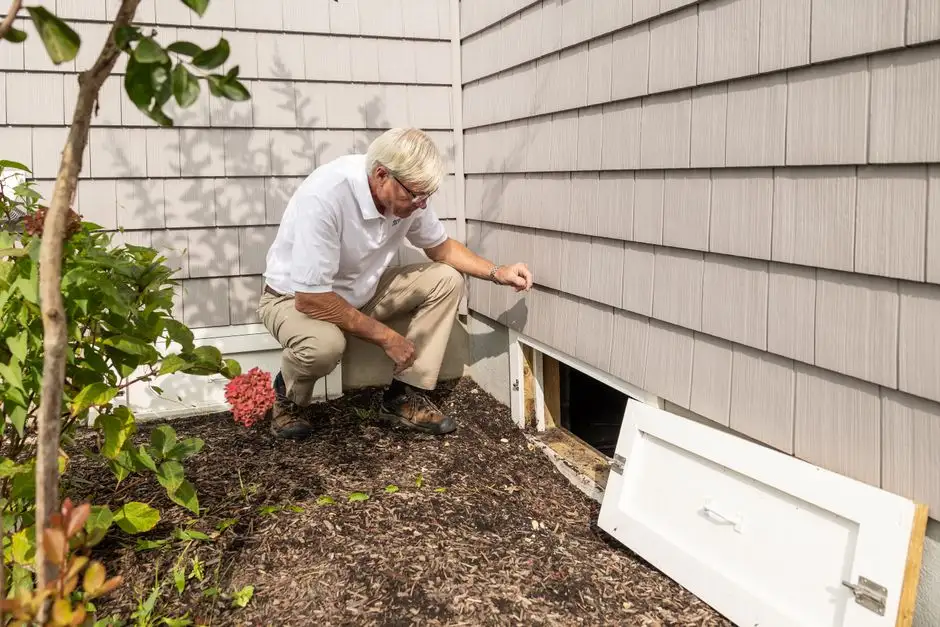
A hidden water leak in your walls is a plumbing leak that occurs behind drywall, inside a wall cavity, or under a floor-out of sight until it causes visible damage. In Charleston's humid climate and older housing stock, these leaks can quietly rot framing, feed mold, and spike your water bill for weeks before you notice. This guide walks you through the warning signs, step-by-step detection methods, typical 2026 costs in Charleston, and exactly when to call a professional.
What is a hidden water leak and why is it dangerous?
A hidden water leak is a plumbing failure that occurs inside a wall, ceiling, or floor cavity where you cannot see it. Unlike a dripping faucet, these leaks often go undetected for weeks or months.
In Charleston, the danger is amplified by two local factors: high humidity that slows evaporation, and a large stock of homes built before 1980 with galvanized steel or early copper pipes that corrode from the inside out. A pinhole leak in a 1960s pipe can spray a fine mist into insulation for months. By the time you see a stain, you may already have $3,000 to $8,000 in structural damage.
Mold is the other silent threat. Charleston's average relative humidity sits above 70% most of the year. A damp wall cavity becomes a mold farm in 48 to 72 hours. That is why finding the leak fast matters more here than in drier climates.
Signs of a hidden water leak in your Charleston home
The signs of a hidden water leak in a Charleston home usually show up in clusters-one or two alone might be coincidence, but three or more means you likely have a leak behind the wall.
Watch for these indicators:
- Unexplained spike in your water bill. A leak the size of a pencil tip wastes 6,000 gallons per month. If your bill jumps $40 or more with no change in usage, start looking.
- Musty or earthy smell in a room with no visible water. That smell is mold feeding on wet drywall paper.
- Warm spots on the floor if you have a slab leak under a hot-water line. Charleston's slab-on-grade homes in West Ashley and James Island are prone to this.
- Peeling paint or bubbling drywall. Water pushes paint off the wall from behind.
- Sound of running water when all fixtures are off. Put your ear against the wall-if you hear a hiss or drip, the leak is close.
- Mold or mildew along baseboards or in corners, especially on exterior walls.
- Cracks in the foundation or tile that appear suddenly. A slab leak can shift the soil under your home.
If you notice any of these, our team at plumbing charleston SC can help you pinpoint the source before it spreads.
How do I find a hidden water leak in my Charleston home?
You can find a hidden water leak in your Charleston home by combining three low-tech checks: the meter test, the food-coloring test, and a careful walk-through. These methods cost nothing and take about 30 minutes.
Step 1: The water meter test
Turn off every faucet, appliance, and irrigation zone. Note the reading on your water meter (usually near the street). Wait 30 minutes without using any water. Check the meter again. If the dial moved, you have a leak somewhere in the system.
Step 2: The food-coloring test for toilets
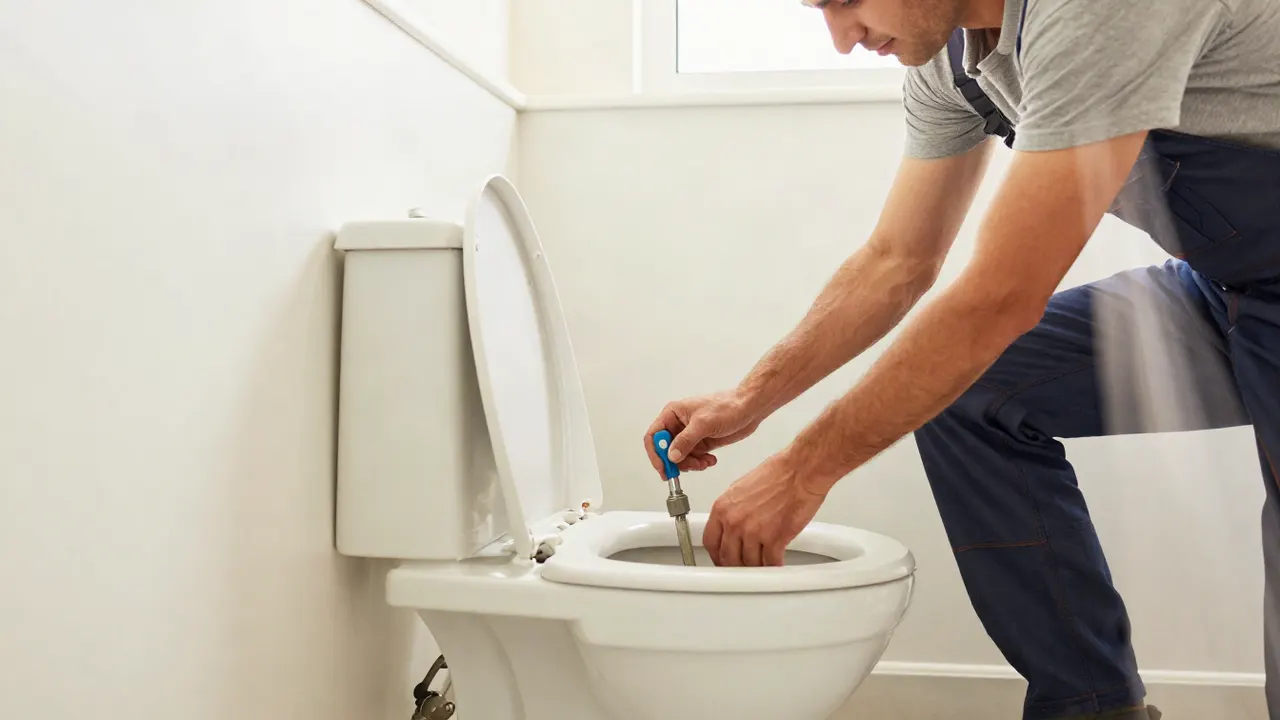
A running toilet is the most common hidden leak. Put a few drops of food coloring in the tank. Wait 15 minutes. If color appears in the bowl without flushing, the flapper is leaking. That alone can waste 200 gallons a day.
Step 3: Check visible pipes under sinks and in the basement
Look for corrosion, mineral deposits, or moisture on exposed pipes. In older Charleston homes, galvanized pipes often fail at joints first.
Step 4: Use a moisture meter (optional)
A $30 pin-type moisture meter from a hardware store can confirm dampness behind drywall. Normal drywall reads 0.5% to 1%. Anything above 1.5% means water is present.
If these steps don't reveal the source, you likely need professional leak detection charleston equipment like acoustic listening devices or thermal imaging cameras.
Common mistakes when trying to detect a hidden water leak
The biggest mistake homeowners make is assuming a small stain means a small leak. Water travels along framing and can drip far from the actual source.
Other missteps we see in Charleston:
- Cutting into drywall too early. Without detection equipment, you might open the wrong wall and still miss the leak.
- Ignoring a spike in the water bill. By the time you investigate, mold has already set in.
- Using caulk or paint to cover water stains. This traps moisture and accelerates rot.
- Assuming the leak is from the roof. In Charleston's afternoon thunderstorms, ceiling stains are often from plumbing, not the roof.
- Not checking the water heater pan. A slow drip from the T&P valve can run into the wall.
If you have already spotted damage and need plumbing repairs charleston SC, we can trace the leak and fix the pipe in one visit.
How much does leak detection cost in Charleston SC?
Leak detection in Charleston SC costs $150 to $450 for most homes in 2026, depending on the type of leak and the equipment required. Slab leaks and leaks behind tile cost more because they require thermal imaging or acoustic listening.
Here is a realistic breakdown for 2026:
- Standard wall leak detection: $150-$250
- Slab leak detection: $250-$450
- Pool leak detection: $300-$600
- Repair after detection: $200-$800 for a simple pipe repair; $1,500-$4,000 if the wall or slab must be opened
We provide upfront pricing before any work begins. If you are in an older home in residential plumbing charleston SC, we may recommend a camera inspection to check for multiple weak points.
When to call a professional for hidden leak detection
Call a professional when you have confirmed a leak but cannot find it, when you see mold, or when your water bill has jumped more than $50 without explanation. DIY detection works for exposed pipes and toilets, but hidden wall leaks require acoustic and thermal tools.
Our team at Charleston Harborline Plumbing uses non-invasive detection first-we listen to the pipes and scan the walls before we cut anything. We find the leak, fix it, and test the line before we leave. If you are dealing with a leak in a commercial building, we also offer commercial plumbing charleston SC with after-hours scheduling.
Do not wait if you smell mold or see sagging drywall. A $200 detection visit today can prevent a $5,000 repair next month.
Frequently Asked Questions
How do I find a hidden water leak in my Charleston home?
Start with the water meter test: turn off all fixtures, note the reading, wait 30 minutes, and check again. If the dial moves, you have a leak. Then check toilets with food coloring and look for moisture on exposed pipes. If you cannot find it, call a professional for acoustic or thermal detection.
What are signs of a water leak behind walls in Charleston?
Signs include a musty smell, peeling paint, bubbling drywall, warm spots on the floor, and a water bill spike of $40 or more. In Charleston's humidity, mold can appear within 48 hours, so act fast if you notice any of these.
How much does leak detection cost in Charleston SC?
Leak detection in Charleston SC costs $150 to $450 in 2026, depending on the leak type. Slab leaks are at the higher end. Repair costs are separate and range from $200 for a simple pipe fix to $4,000 if the wall or slab must be opened.
Who detects water leaks in Charleston?
Licensed plumbers with leak detection equipment detect water leaks in Charleston. Charleston Harborline Plumbing offers non-invasive detection using acoustic listening and thermal imaging. We serve homes and businesses across the Charleston area.
Get help with plumbing in Charleston
If you suspect a hidden water leak, do not wait for the damage to spread. Call Charleston Harborline Plumbing at (854) 226-6111 for fast, non-invasive leak detection and repair. We will find the leak, fix it, and make sure your walls are dry before we leave.